
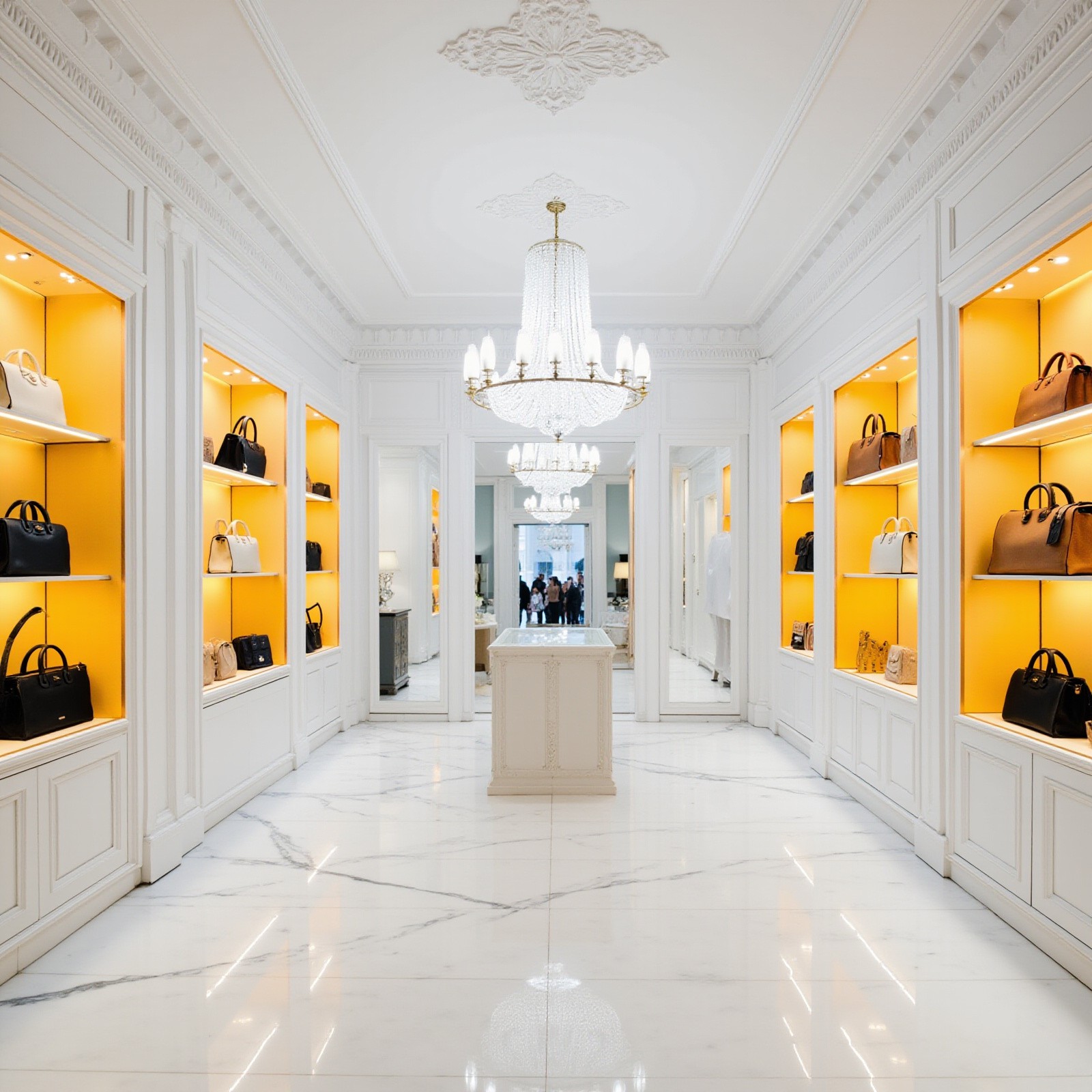
The secondhand luxury handbag market has spent years building scale online. Now the most ambitious platforms are investing in physical space. Showrooms, authentication counters and drop-off points are appearing in major cities, turning what was a purely digital transaction into something closer to a retail experience.
The logic is trust. High-value resale depends on confidence: that the bag is authentic, that its condition has been assessed honestly, and that there is someone to talk to if something goes wrong. Physical stores make those promises tangible. They also create room for cleaning, repair and consignment services — the kind of after-sales support that extends a bag’s life and keeps it circulating.
For manufacturers, the signal is hard to ignore. If a bag is likely to change hands two or three times, its construction matters beyond the first owner. Durable materials, repairable hardware, replaceable linings and classic proportions all raise residual value. Trend-driven details may sell quickly, but they age faster than a well-balanced silhouette.
LONGJIANG approaches this from the production side. The company designs many of its styles around long service life: stress points are reinforced, hardware is selected for repeated use, and internal structures are kept simple enough to repair. Where a component is likely to wear first, the team looks for ways to make replacement possible rather than treating the bag as disposable.
Resale is no longer an afterthought at the end of a product’s life. It is becoming part of how buyers judge value at the point of sale. Brands and manufacturers that plan for the second and third owner — through materials, construction and serviceability — will find themselves better positioned as the secondhand market matures.
More News Recommendations

- News and Information
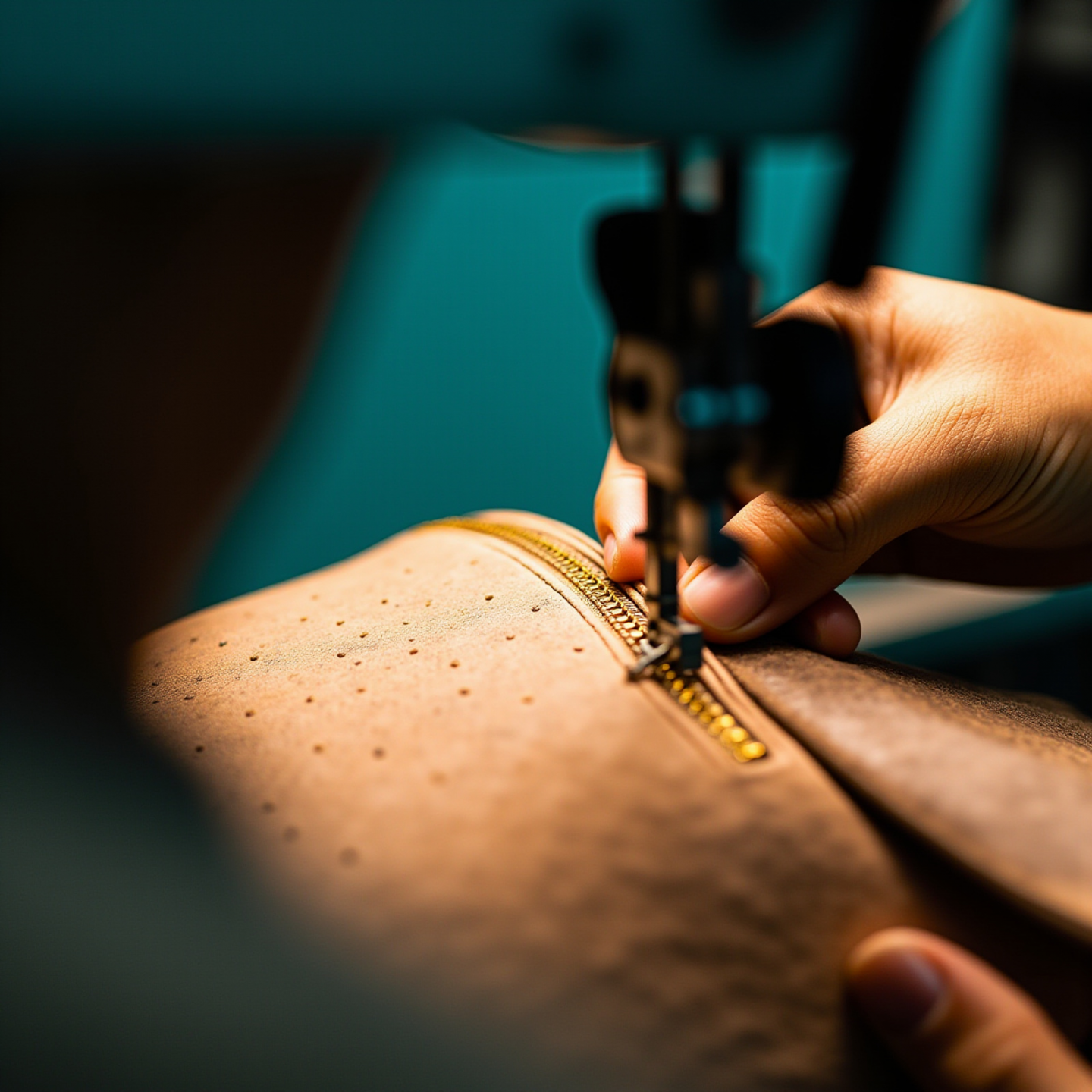
Smart bags lose their shine as buyers return to leather, stitching and everyday function
10/28
- News and Information
Mycelium leather reaches production scale as the sustainable materials race accelerates
10/16


Contact Us
Contact: Mr. Liu · +86 136 5239 2720
7th Building, Chunhu Industrial Zone, Pinghu Town, Longgang District, Shenzhen, China

Copyright © 2026 Shenzhen Longjiang Technology Co., Ltd. All rights reserved.